

Oxygen saturation (SpO2) is a key vital sign that reflects respiratory efficiency and overall cardiovascular health. Adequate oxygen delivery is essential for every organ in the body, and even slight reductions in SpO2 can indicate underlying respiratory or cardiac issues. For individuals with chronic respiratory diseases, cardiovascular conditions, or those recovering from acute illnesses, timely detection of declining oxygen levels can be lifesaving.
TeleRPM Oximeter (Bluetooth®) enables accurate, connected monitoring of SpO2 and pulse rate at home. By supporting both chronic disease management and preventive care, it allows healthcare providers to monitor patients remotely while empowering individuals to stay engaged in their own health. Combining medical-grade accuracy, comfort, and Bluetooth connectivity, the device helps shift respiratory monitoring from episodic checks to a proactive, continuous care model.
Continuous SpO2 monitoring plays a critical role in identifying hypoxemia, respiratory distress, and early signs of disease exacerbation. Patients with conditions such as chronic obstructive pulmonary disease (COPD), asthma, heart failure, or sleep-related breathing disorders often experience gradual oxygen desaturation before noticeable symptoms appear. Without regular monitoring, these subtle changes may go undetected until they lead to acute exacerbations or hospital admissions.
By enabling consistent at-home measurements, TeleRPM Oximeter (Bluetooth®) helps identify these early warning signs. Clinicians can review trends over time rather than relying on isolated readings, allowing them to intervene earlier with medication adjustments, therapy modifications, or follow-up consultations. Early detection can help improve clinical outcomes and reduce the likelihood of emergency visits and hospital readmissions.
Historically, SpO2 measurements were largely confined to hospitals or clinics, limiting their usefulness for ongoing disease management. Bringing this capability into the home creates a continuous, real-world data stream that supports informed decision-making for both patients and care teams.
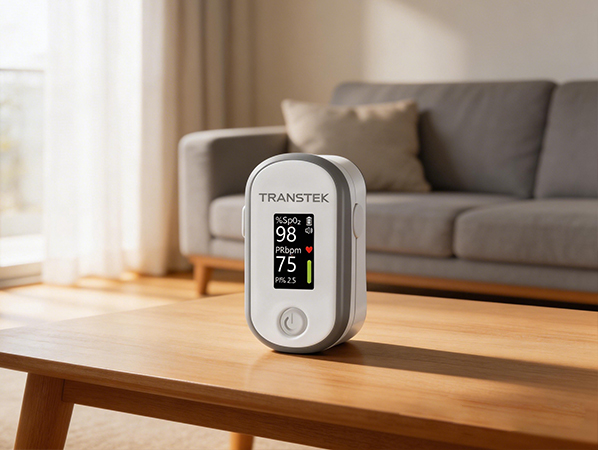
Bluetooth connectivity offers flexibility in program design. Healthcare providers can deploy a mix of Bluetooth and cellular devices within the same RPM ecosystem, tailoring device selection to patient needs, technical capabilities, and care objectives. Once connected, SpO2 and pulse data are transmitted automatically to the RPM platform creating a continuous flow of information for clinicians to analyze trends, detect abnormalities, and intervene promptly.
This level of connectivity is particularly important in preventive care, where early recognition of declining oxygen levels can slow disease progression and prevent acute complications.
Frequent monitoring requires devices that are not only accurate but also comfortable and easy to use. TeleRPM Oximeter (Bluetooth®) features an ergonomic fingertip design that supports repeated daily measurements without causing discomfort. Its advanced sensor technology minimizes motion-related inaccuracies, ensuring reliable readings even for elderly or less steady users.
Ease of use directly influences adherence. When patients can measure their SpO2 quickly and comfortably, they are more likely to monitor consistently. Regular use results in more complete datasets, enabling clinicians to gain a clearer picture of respiratory health and respond more effectively to changes over time.
Access to daily SpO2 and pulse rate data helps patients better understand their health condition. By observing trends and recognizing deviations from their normal range, patients may become more aware of early warning signs such as shortness of breath, fatigue, or dizziness.
This awareness encourages proactive communication with healthcare providers and reinforces adherence to treatment plans, medication schedules, and lifestyle recommendations. When patients are actively involved in monitoring their own health, engagement increases and outcomes improve.
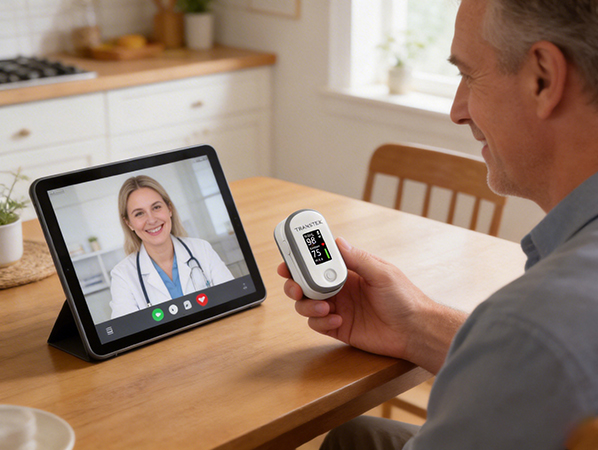
When integrated into structured RPM programs, Bluetooth pulse oximeters play a vital role in connected respiratory care. Continuous SpO2 monitoring supports early clinical intervention, may help reduce unnecessary in-person visits, and improves long-term management of respiratory and cardiovascular conditions. Clinicians can track patient progress remotely, personalize treatment plans, and provide timely guidance based on real-time data.
TeleRPM Oximeter (Bluetooth®) demonstrates how connected devices are redefining home-based respiratory care. By transforming SpO2 monitoring from a sporadic clinical check into a continuous, actionable component of care, it supports safer, more efficient, and more patient-centered care delivery.
+86-0760-85707780


_20260330133610.webp "Remote Weight Monitoring in Heart Failure and Chronic Care")
